
what remains
Some people build a home. Others end up living inside the landscape they have spent a lifetime creating.
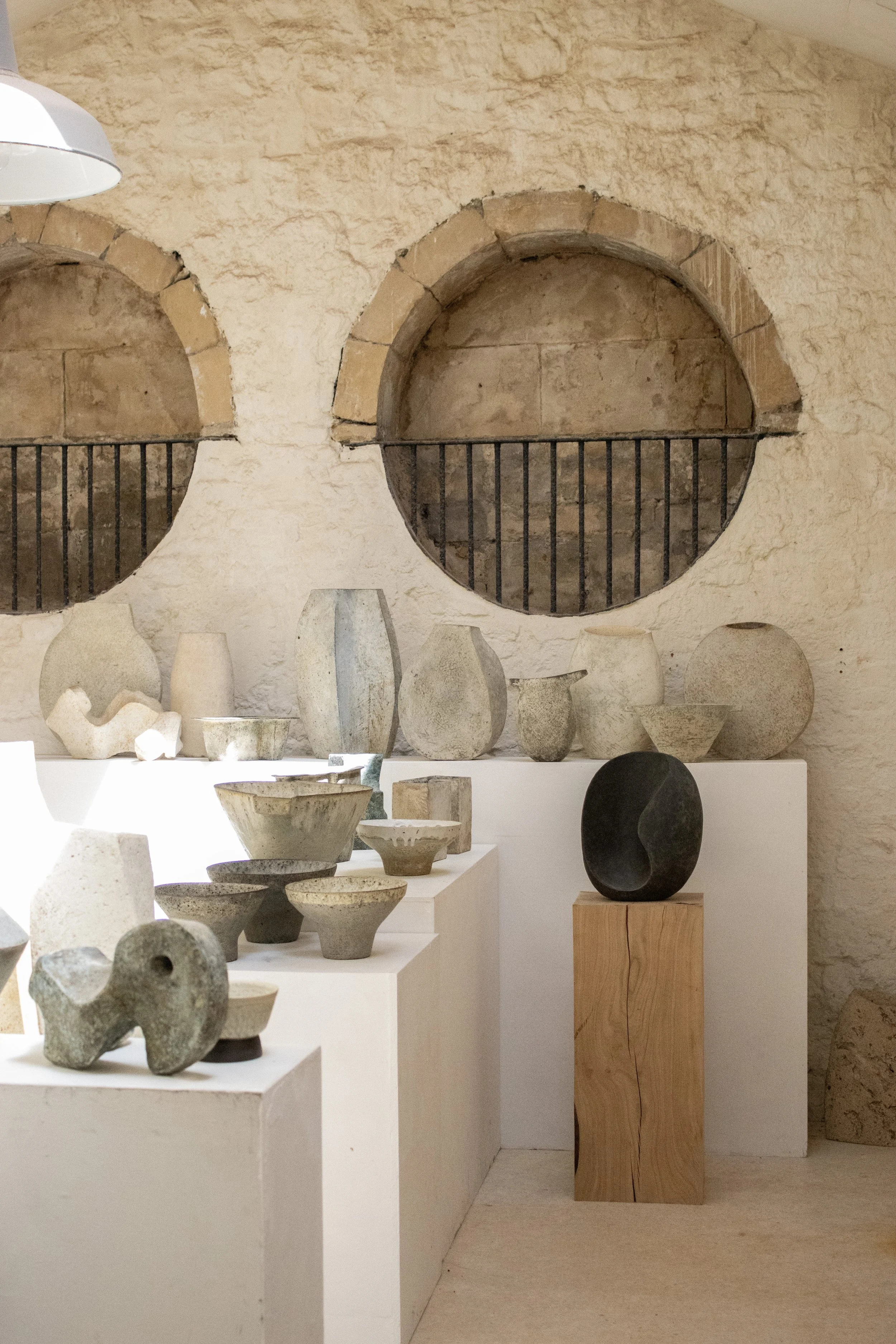
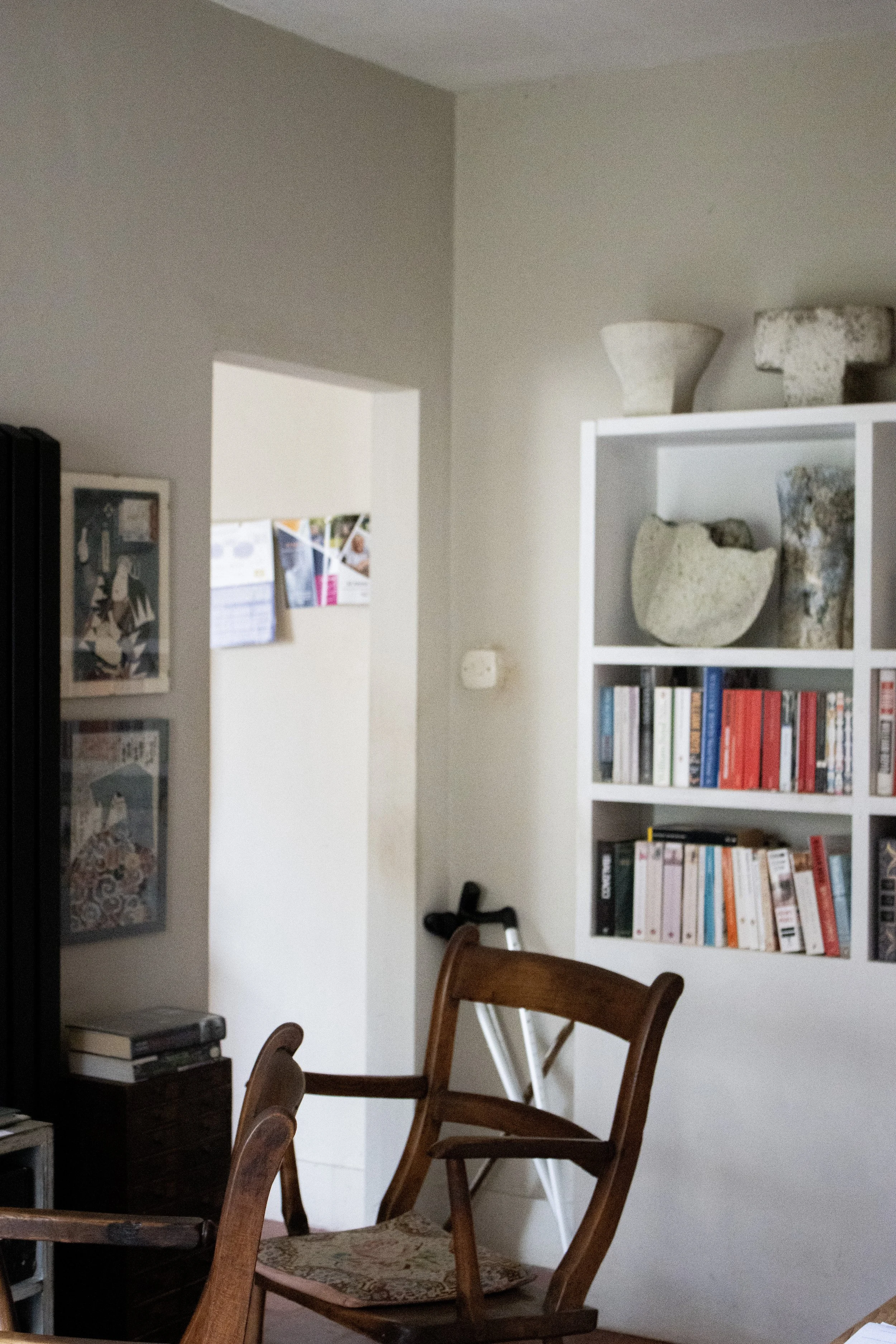
Paul Philp's home is filled with stone, stacks of art books and light that pours through the windows and settles gently across his work. There is so much beauty that it almost feels overwhelming.
A few days ago, Borja and I left our studio in Edinburgh to spend the morning with him. He welcomed us warmly, and we settled into a pair of wooden armchairs, surrounded by ceramics and objects that seemed to have found exactly where they belonged. The conversation unfolded slowly and, before we realised it, had taken us back sixty years.
Paul speaks with the curiosity of someone who still feels there is so much left to learn. His body has begun to argue with that desire to make. He recently stopped working because he can no longer lift bags of clay. His hands, though, have not quite agreed.
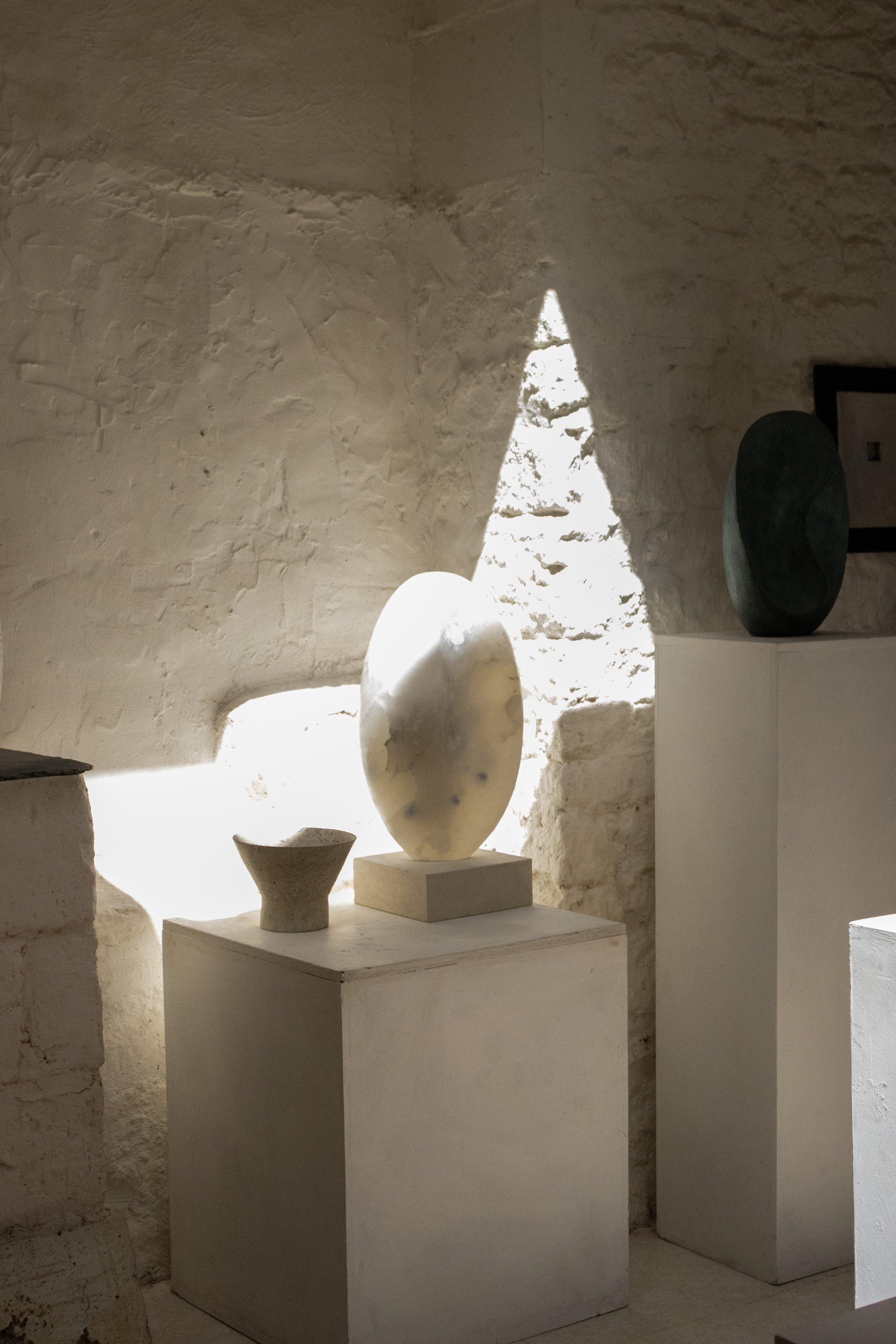
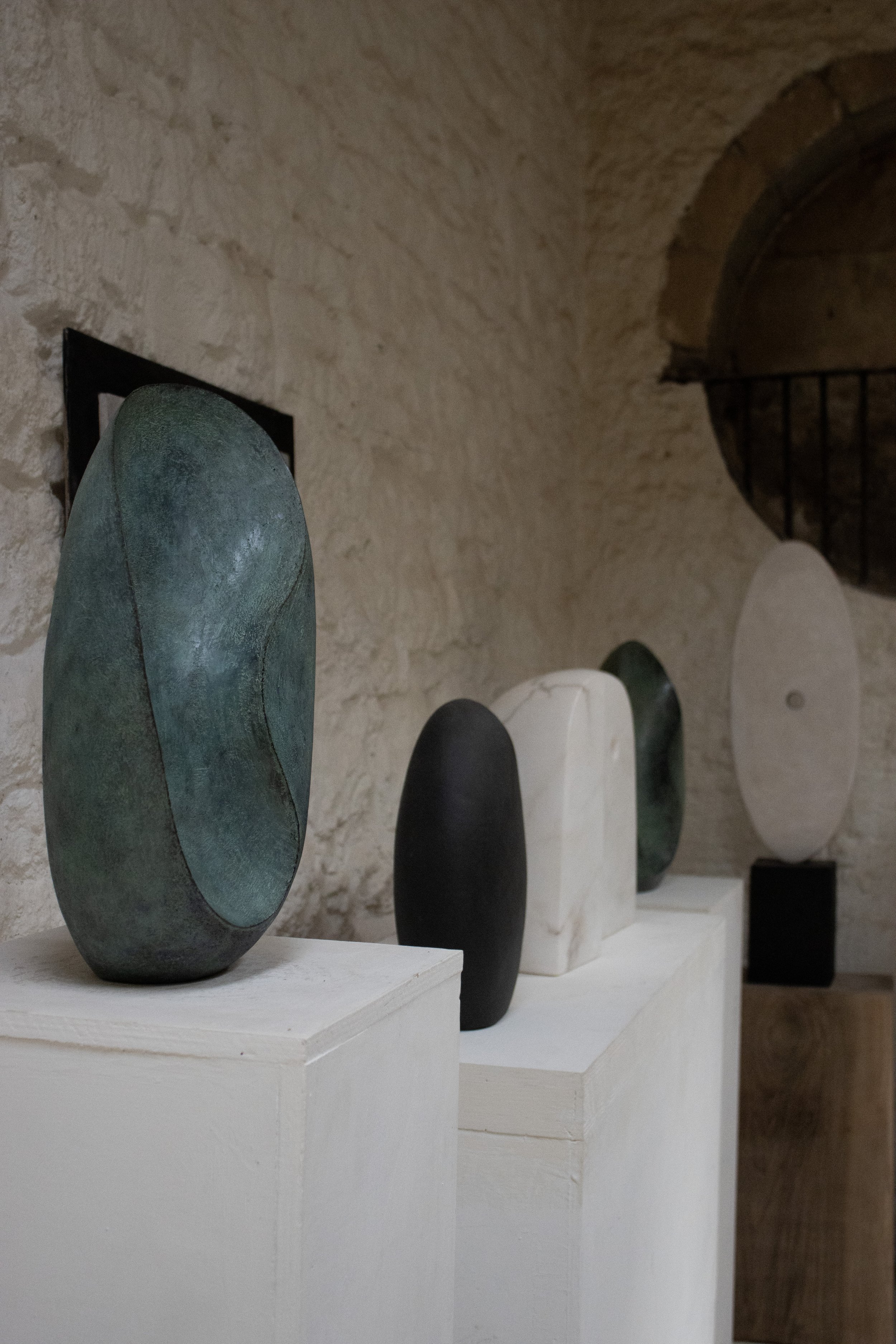
He remembered travelling across England by hitchhiking when he was just eighteen, visiting those whose work he admired. Along the way he met Michael Cardew, Bernard Leach and Barbara Hepworth. He also spent time in Harry Davis's workshop in Cornwall, where glazes were made from rocks ground in an old water mill.
For a while, everything seemed to be falling into place. He was teaching at the Central School of Art in London, and his agateware was receiving widespread recognition. From the outside, it was the dream many potters aspire to. But it never felt like his own work, so he walked away.
He settled in Monmouthshire, Wales, far from the art world. For years he restored ruined buildings, built stone walls and grew his own food. As he showed us photographs from that time, I began to understand why his work feels so deeply rooted in stone, architecture and the landscape itself.
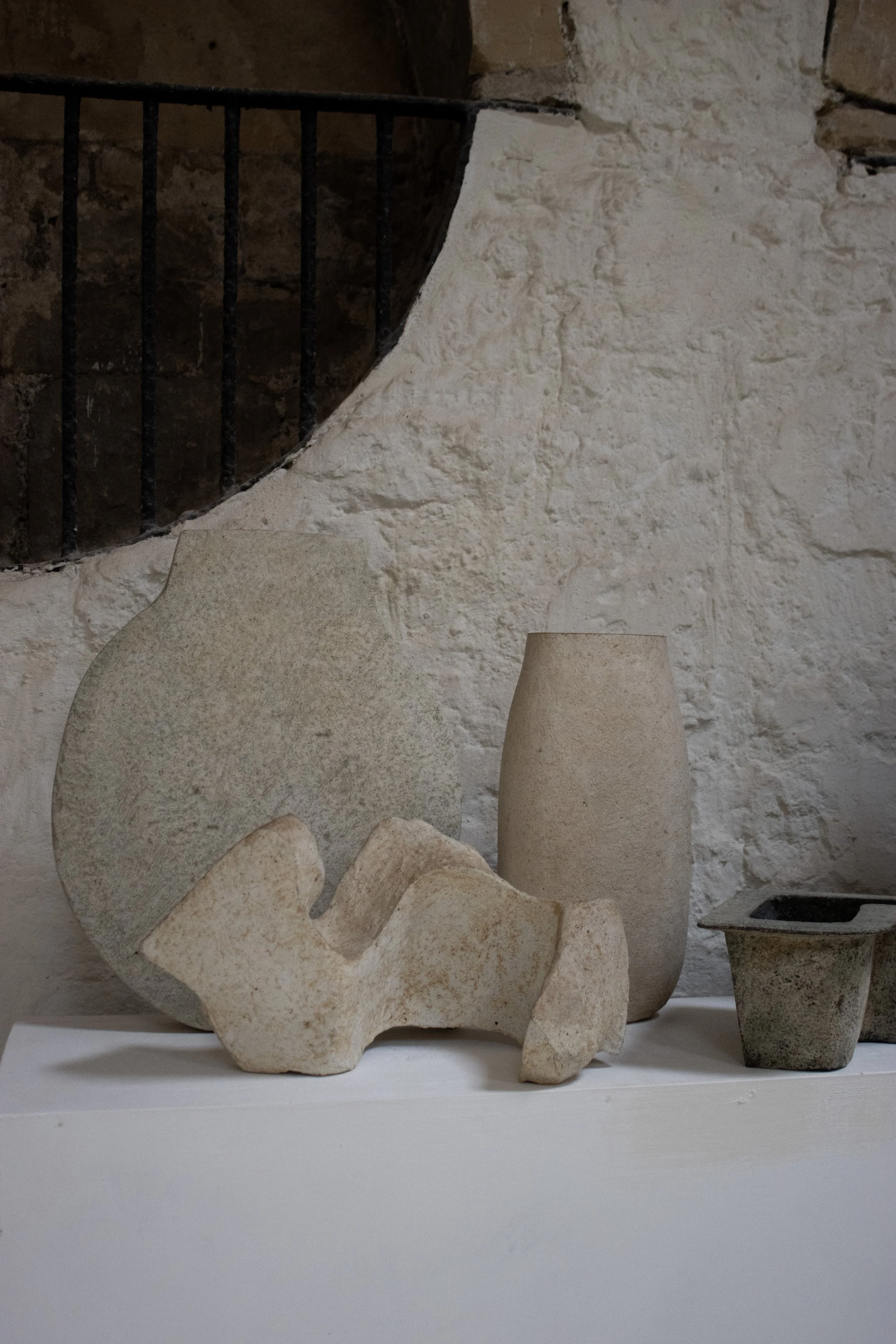
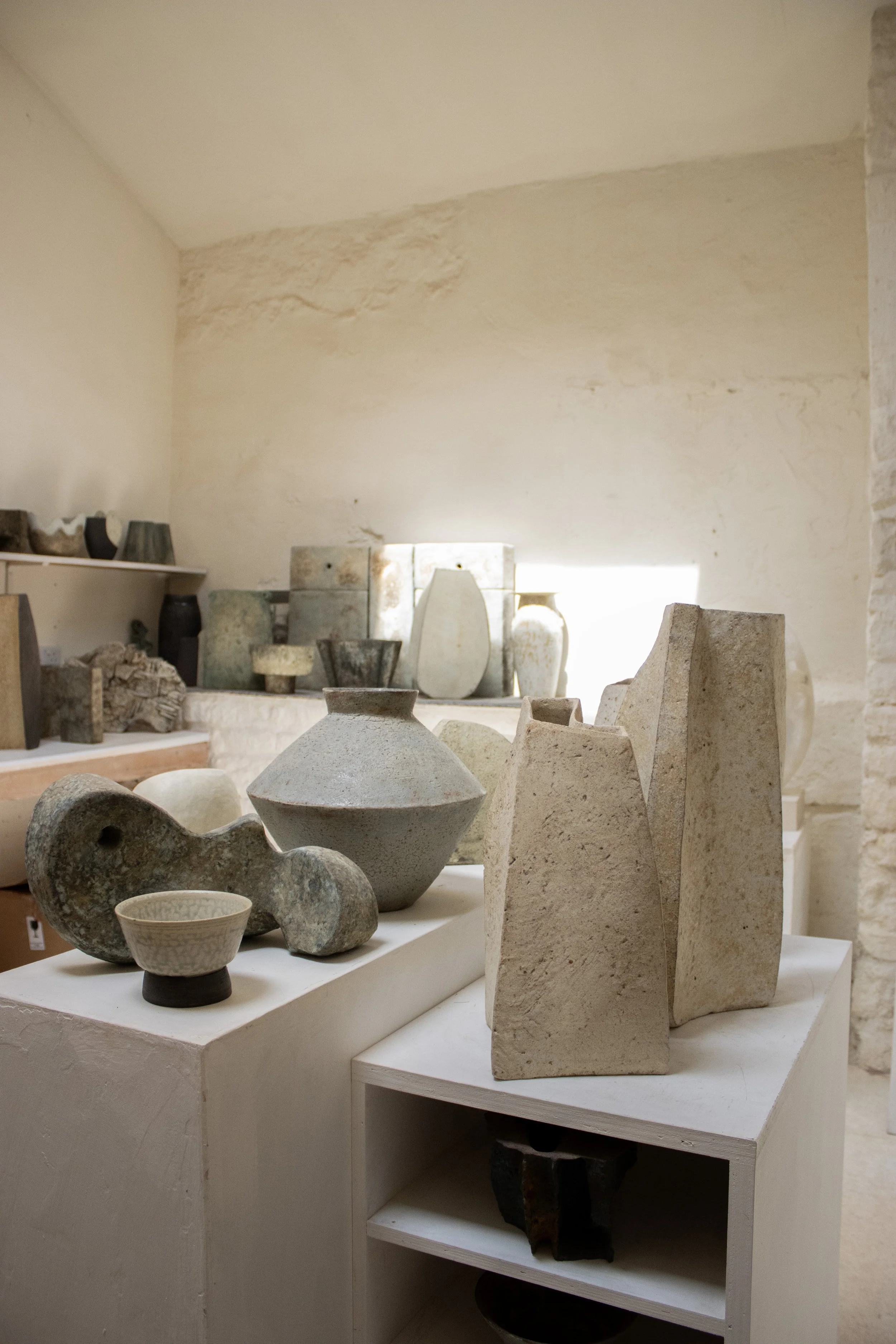
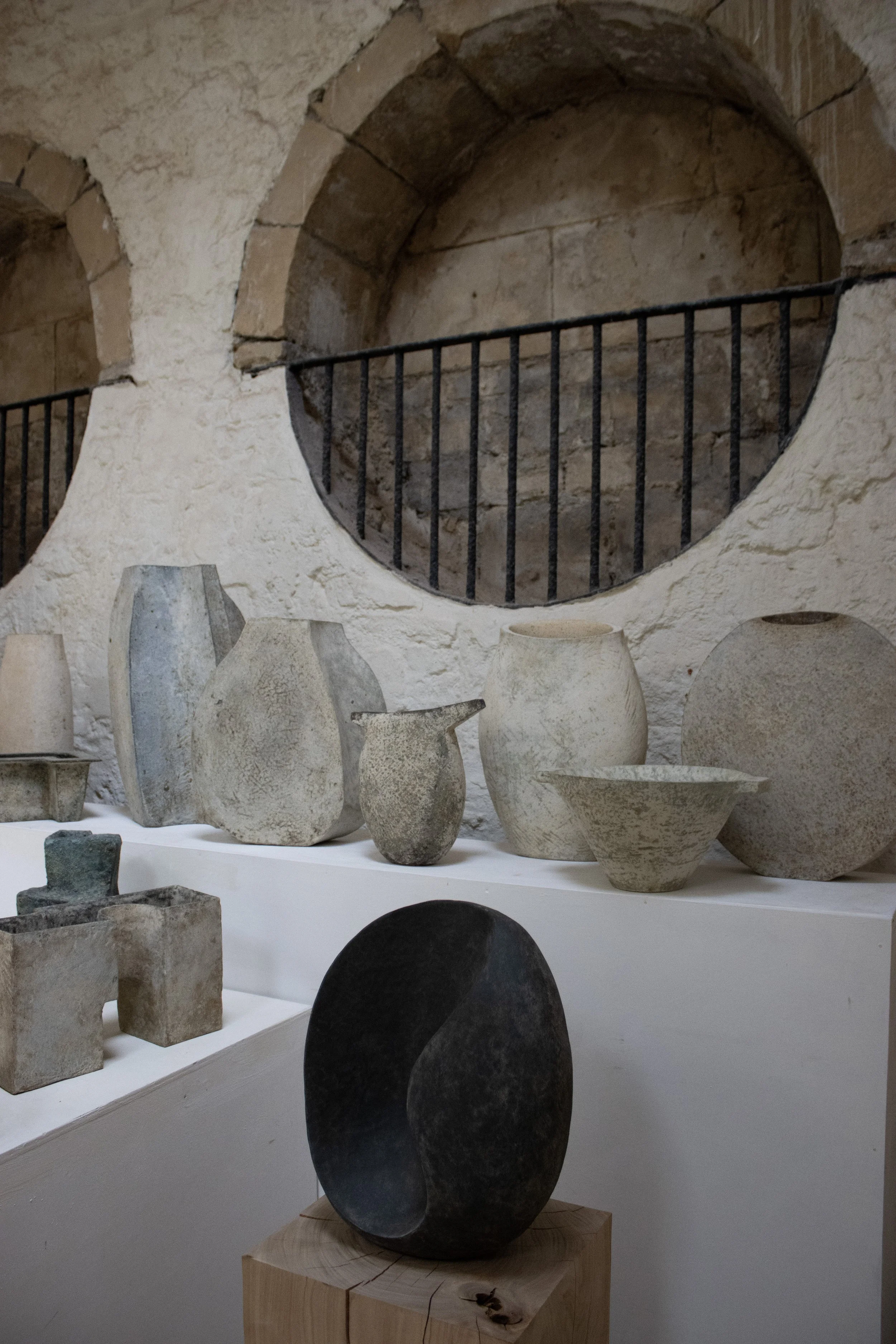
Fifteen years later, he returned to clay. But instead of asking what people wanted to buy or what the market expected of him, he imagined walking into a gallery in St Ives he knew well and asked himself what kind of work he would hope to find there. That single question changed the way he worked.
He began making pieces only for himself. It was from that decision that the work he is best known for emerged and, more importantly, a way of working that feels deeply honest.
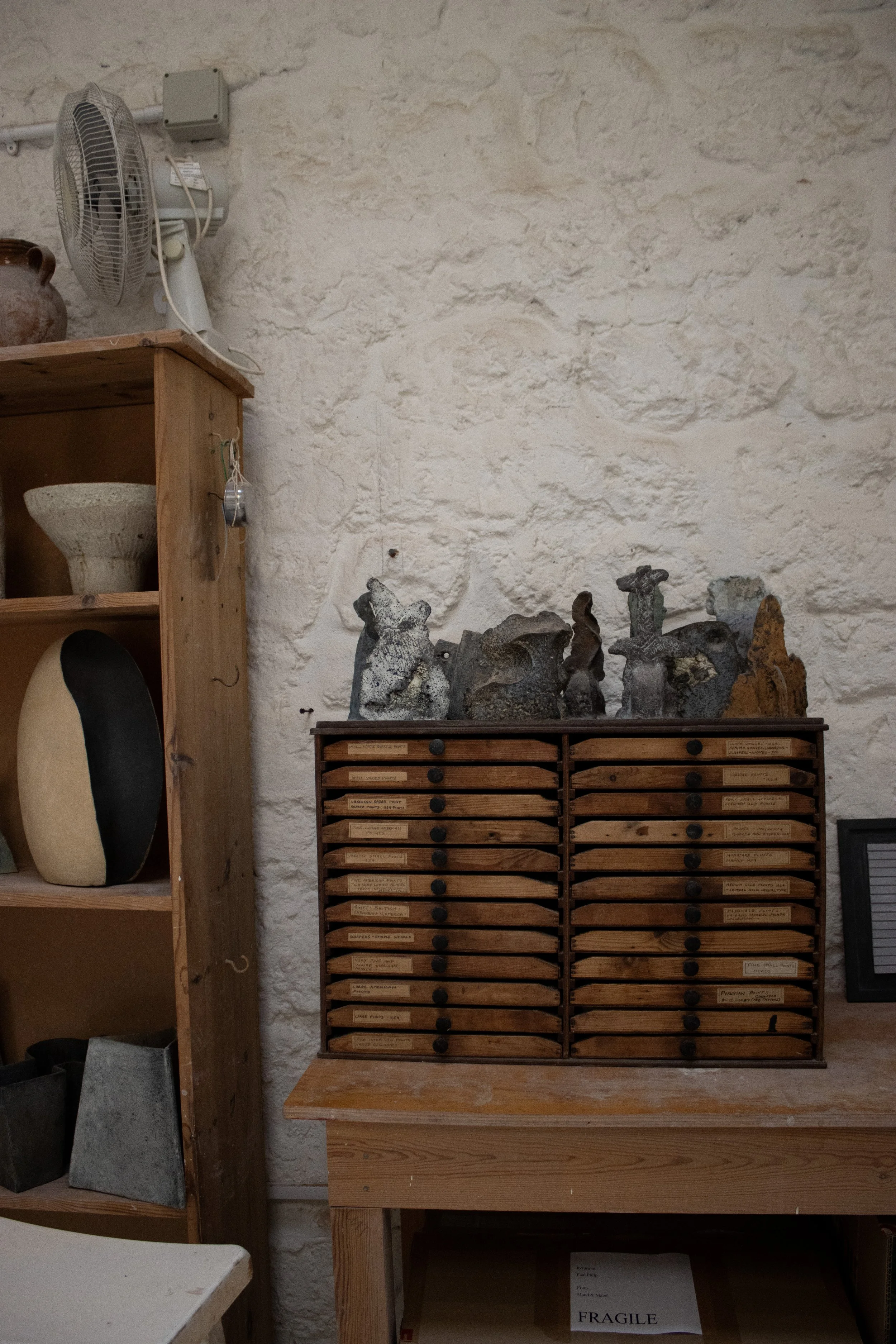
Later, he took us into his studio, now transformed into a private archive of his life's work. For decades he had kept one piece from every series, and now they all lived together, as though an entire lifetime of work could be walked through in just a few steps.
Every piece carries a way of seeing. He would stop in front of one and remember the story behind it: a glaze he could never recreate, an accidental effect that never happened again, kilns that refused to reach temperature, broken pots and experiments that were always destined to fail.
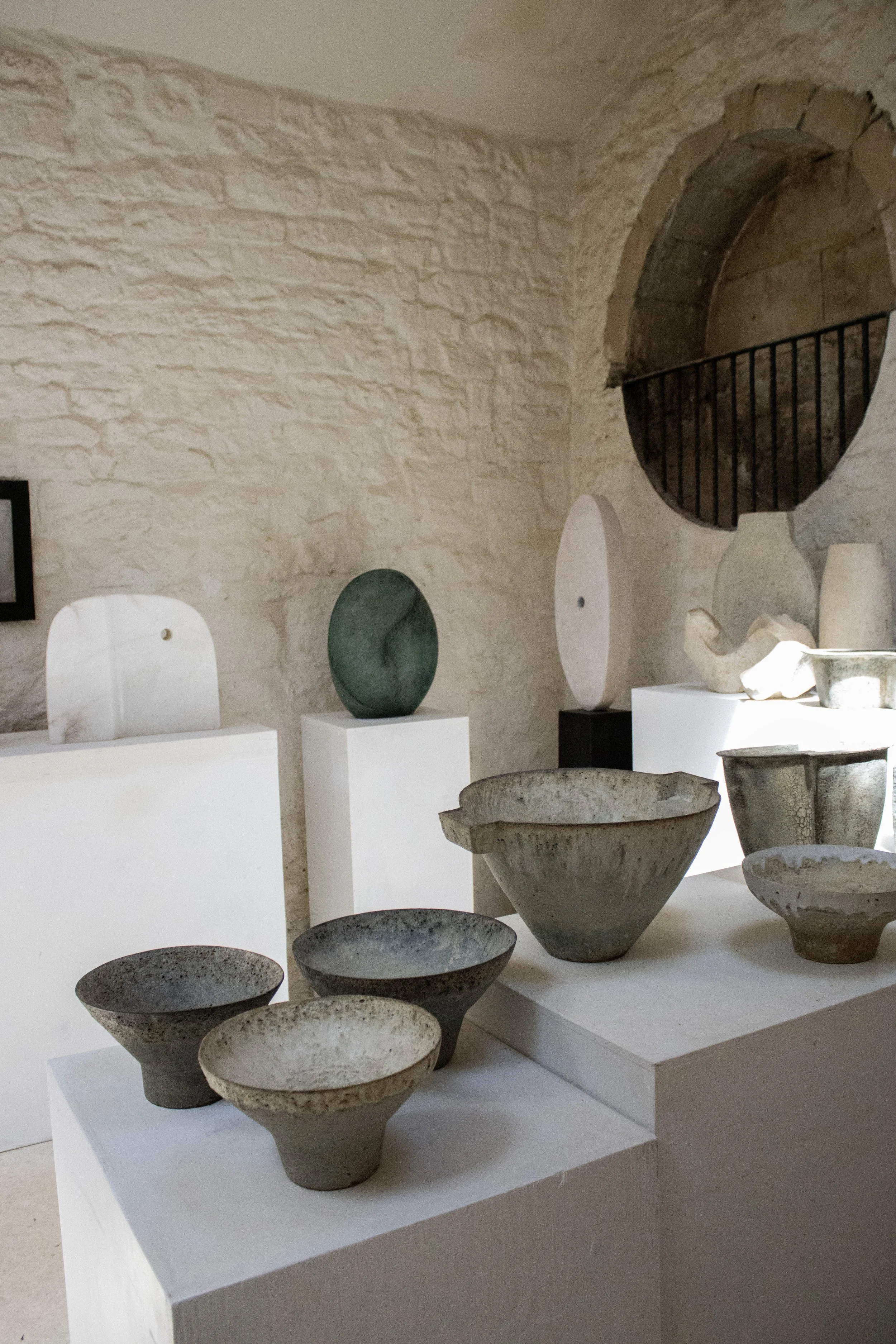
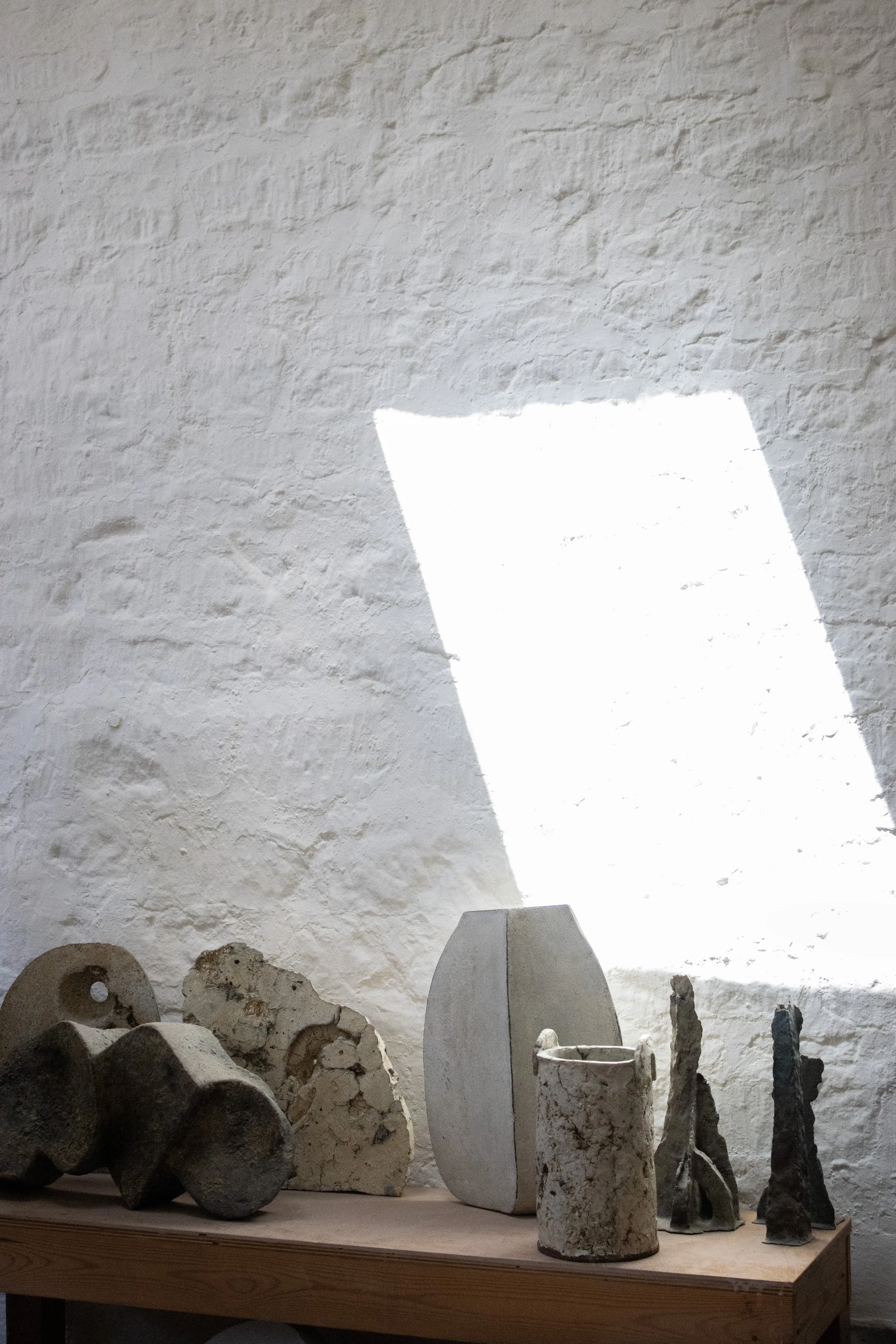
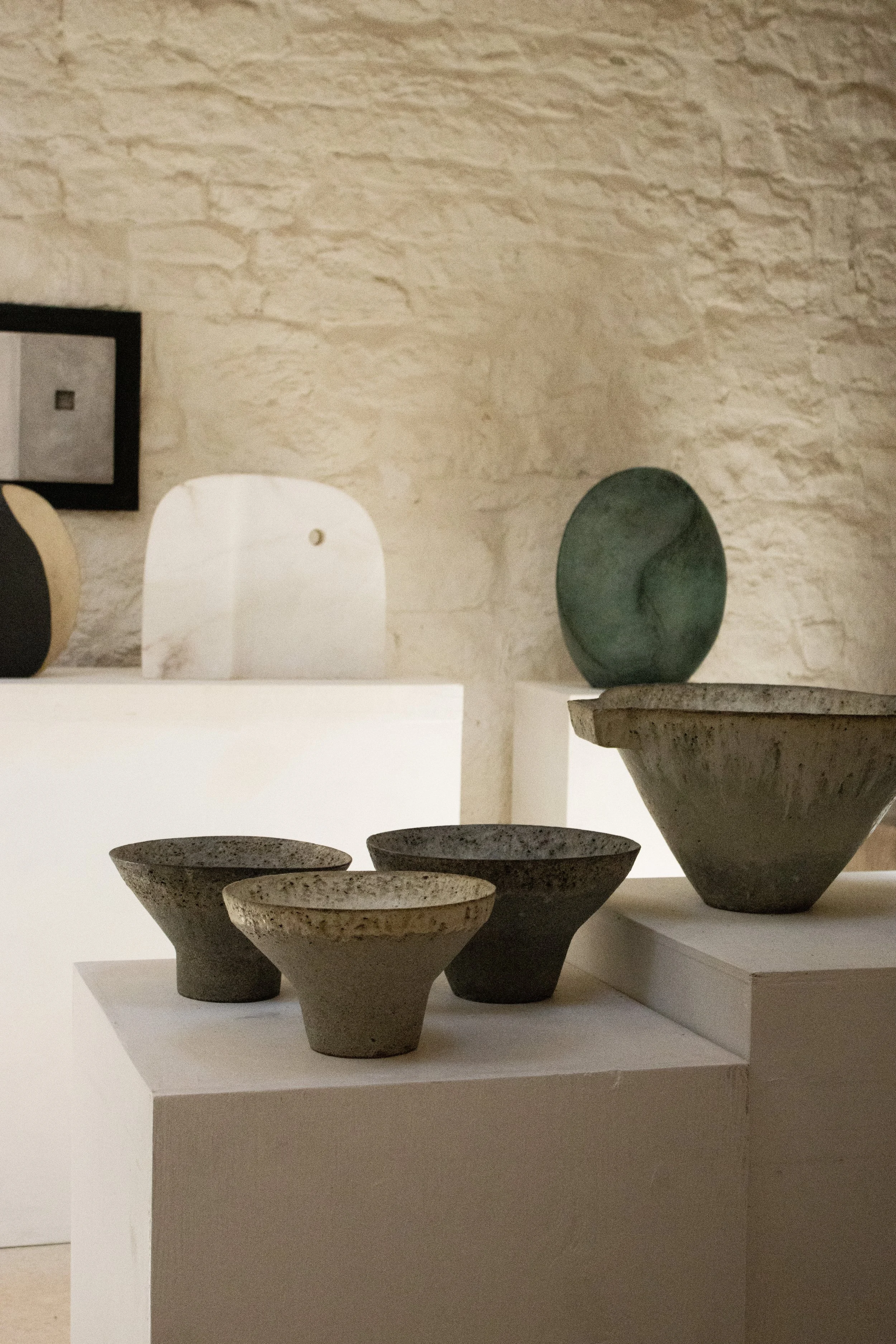
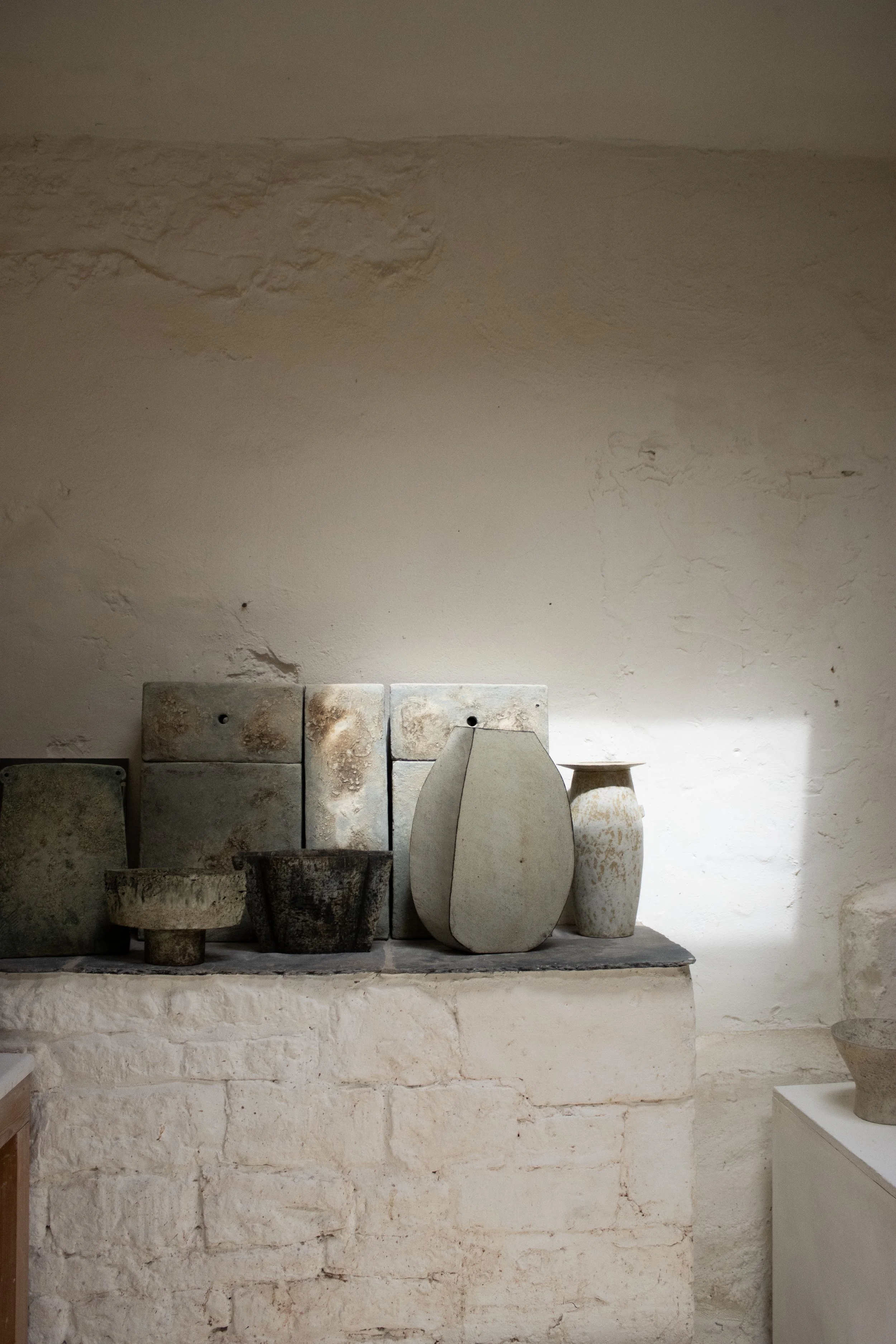
But through all those stories, Paul was never just talking about clay. He was talking about patience, time, letting go, and the freedom to begin again. I left with the feeling that I had met someone who never allowed recognition to speak louder than his own intuition.
I came back to Edinburgh carrying something I still struggle to put into words. Perhaps the certainty that the real work of an artist is not simply to master a craft, but to discover what they truly need to express and remain faithful to it for a lifetime.
Thank you for everything, Paul.